STEM Educator Initiative Blog
Blog Categories

Practical Strategies and Insights from Highly Effective Educators
Learn what’s working in today's classrooms from highly effective STEM educators. These posts offer practical, effective strategies that others can apply right away to support student learning and improve their outcomes.

In Their Words: Student Reflections On What Matters Most
Students and recent graduates share honest, heartfelt stories about the teachers, moments, and environments that shaped their learning. Their voices highlight what truly makes or has made a difference in their learning and academic growth, one experience at a time.

CTE Leadership: Tough Issues and Answers From the Field
Experts from the field confront difficult truths faced by today's CTE educators as they navigate the shared complex challenges. These reflections tackle the tough topics with honesty, clarity, and practical advice.

Beyond the STEM/CTE Classroom: Access, Policy, and Mindset
Dives into the underlying systems, beliefs, and structures that shape educational decisions. This gives us space to explore broader themes that influence long held educational assumptions and impact student outcomes.

Workforce Voices : What Today's Employers Want You to Know (Coming soon!)
Business and industry professionals share what they’re seeing in today's workforce related to STEM skills shortages, human-centric competencies, and the challenging transition between school and career entry for students. What does it mean to be "job ready" and how has that phrase changed over time? How can educators better collaborate to ensure students, businesses, and communities thrive? Effective programs and practices are shared.

The Importance of Community
What does community mean in education?
To connect community in education, we must begin by thinking about the whole child, not just addressing his, her, or their deficits. We must consider the child in the community of the classroom, the school, and the neighborhood.
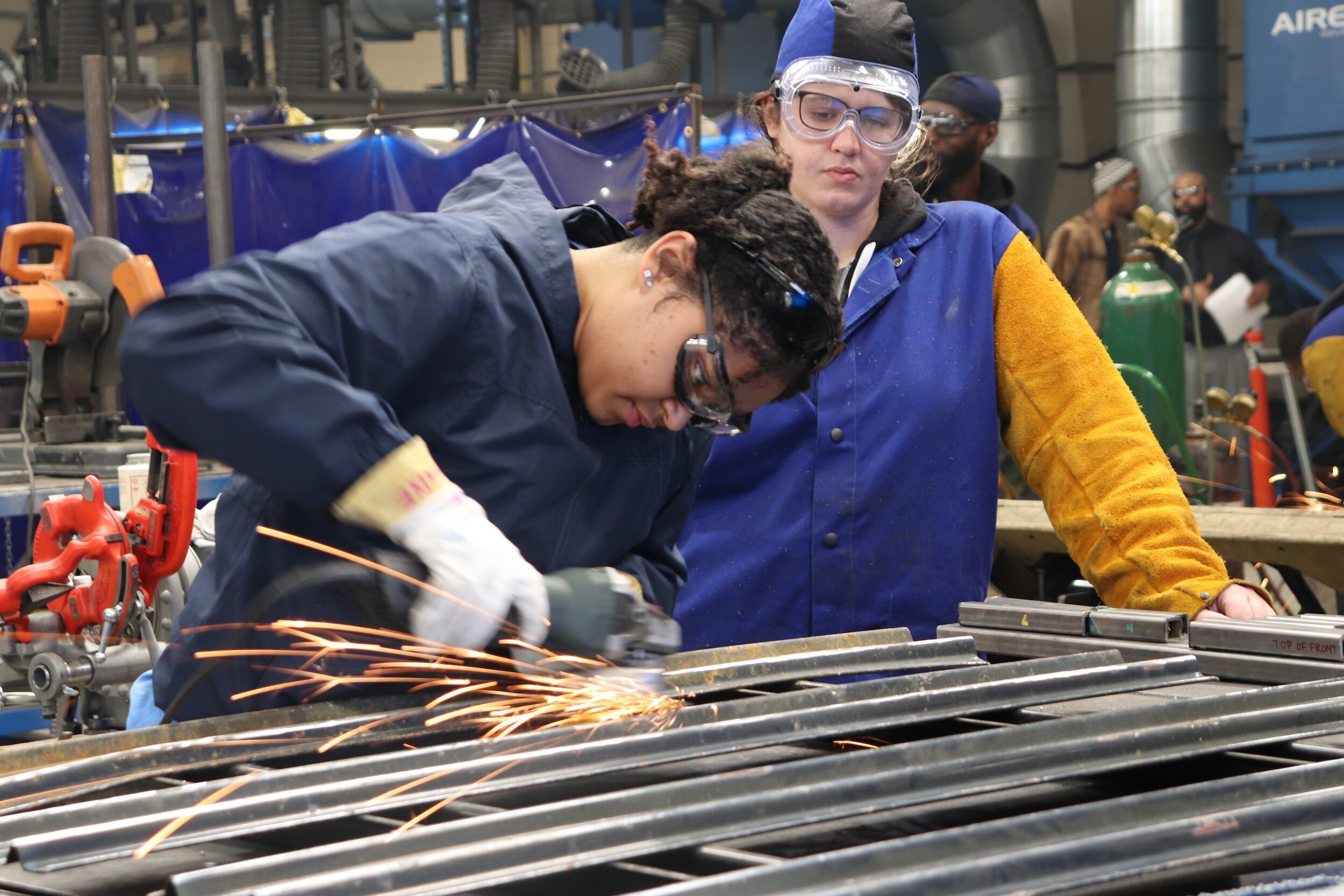
Questions from the field: How do we continue to increase numbers of male and female students in educational programs that are nontraditional for them?
I’m often asked the questions, “How can we affect changes in student selection decisions for career and technical education (CTE) programs of study?” and “How can I convince a girl entering high school to consider a program in manufacturing or building trades or a boy entering high school to consider a nursing program?” Because so many potential factors influence student course and program choices (e.g., parents, peers, prior learning, cultural bias, hormones, and more), how can educators ensure the all students have full access to any and all of the CTE programs? Equally important, how can educators ensure that progress toward increasing enrollment for traditionally underrepresented students continue over time?

Question from the field: How do you affect change in others?
How do you affect the most change in people who are resistant to new ideas or change, even if it is positive?
How to get others to accept change is an age-old question. Over time, I have recognized a range in people’s acceptance of and ability to adapt to change (including my own).

Questions from the field: the Elephant in the Room
Use this blog post to ask anonymous questions about race, gender, and equity broadly, or comments and suggestions to open the discussion.