

CTE
Career & Technical Education (CTE) has become a growing area of concern as it relates to the skilled technician workforce that can advance innovation for solving global problems and improve this country’s infrastructure. Because of COVID-19, the importance of students graduating from CTE schools has become central to the country meeting its employment needs.
CTE is an important subset of STEM and does not require a unique educational model. It does require an expanded reach to the CTE audience that often feels excluded by the STEM acronym. In addition, CTE delivers curriculum in a unique way—hands-on combined with classroom-based instruction.
Who We Serve
Secondary and post-secondary CTE educators including:
Individual teachers, counselors, administrators, faculty
Local schools
School districts
State education systems


“I learned more in two hours about creating effective learning environments in my classroom from Ms. Morrell’s professional development than I did in my semester long graduate course. She knows what she is talking about.”
- CTE FACULTY
WEST SIDE CAREER & TECHNOLOGY CENTER
NEIR Model
STEM Equity Initiative’s NEIR Model is a three-part systemic change model that identifies and uses leverage points in the education system to create or further develop effective learning environments (ELEs) to benefit any student. The model is based upon decades of quality, multidisciplinary research- and practice-based evidence in secondary and post-secondary STEM classrooms and schools. The three parts of the NEIR model are the Indicators, the Improvement Process, and the Implementers.

NEIR Indicators

Normalizing
Educational experiences connect students to previous “lived” experiences and feel relatable and comfortable to students.
Empowering
Students are assets in their classroom. They have agency and independence to build self-efficacy. They are responsible for and recognized for their own learning and the learning of others.

Inclusive
Educators are aware of and responsive to the ways that students are marginalized by our current education system and educators’ and students’ explicit and implicit bias (positive and negative).

Relevant
Students experience “relatedness” with their teachers and a learning relevant to their lives through direct connections to their community, their country and the world and an appreciation of diverse cultural experiences.
CTE Blog Posts







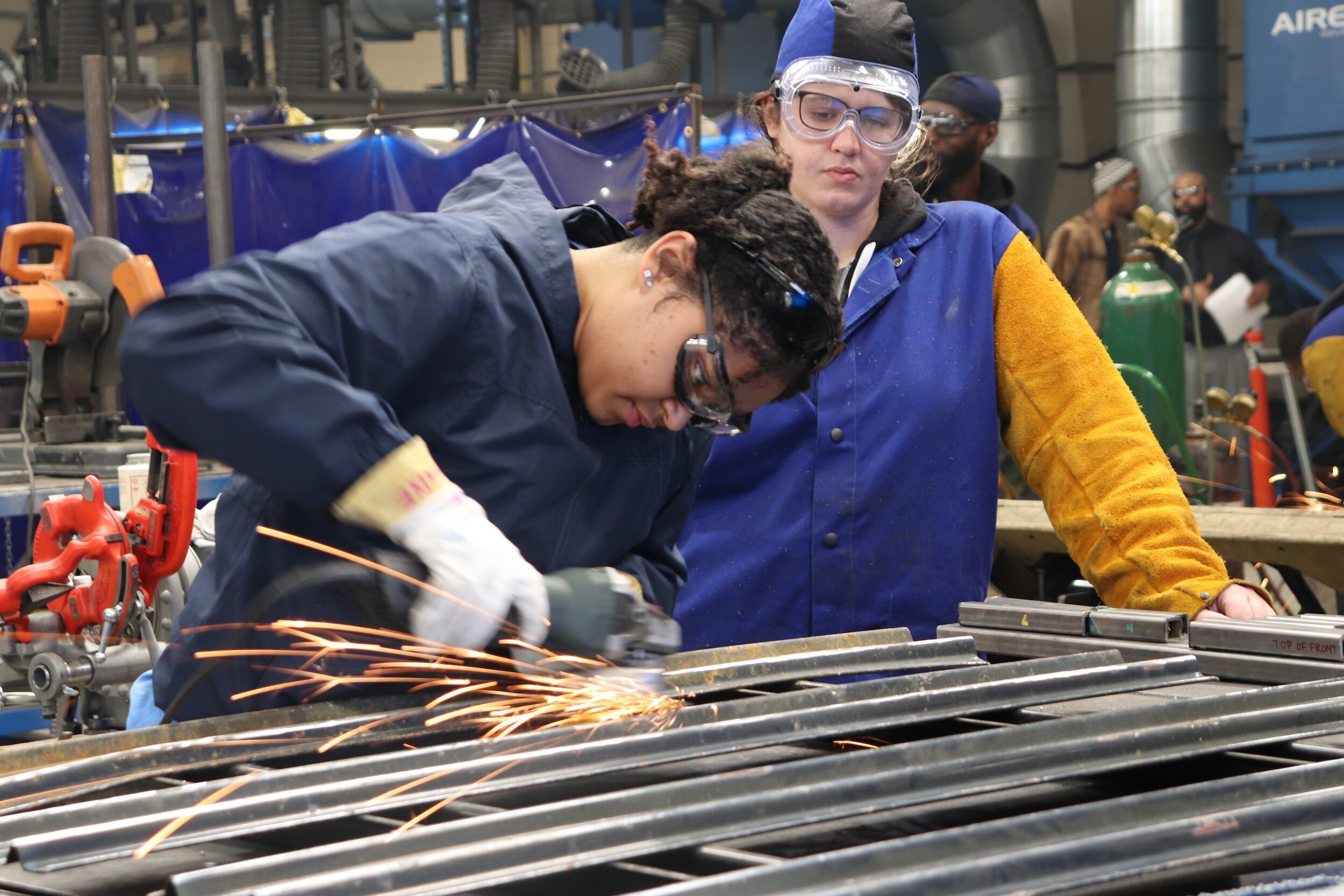


In 2024, the “nontraditional” indicator continues to measure access to programs historically designated by gender. As societal perceptions of traditional roles have evolved, so too has the approach to improving access to CTE courses and programs. Today’s focus is on comprehensive data analysis and disaggregation by various demographics to address systemic inequities. This ensures all students, including those traditionally underrepresented, have equitable opportunities in diverse career pathways. By recognizing the multifaceted identities of students, educational institutions can foster inclusive environments that empower every student to pursue their passions and aspirations.