The STEM Educator Initiative is committed to increasing the workforce preparedness of significantly more students for careers in science, technology, engineering, and mathematics (STEM) fields including Career and Technology fields connected through CTE courses and programs. Increasing the number of students prepared to enter STEM careers will strengthen the workforce, raise the standard of living for many individuals and families, and help to assure that STEM addresses the needs and expands the possibilities for our communities and our lives.
SEI achieves its mission by expanding the percentage of highly effective STEM educators who have an awareness of and ability to create learning environments that are experienced by students as familiar (normal) to their culture and life, personally empowering, interconnecting, and meaningfully relevant (NEIR). Research and practice tell us that providing a learning environment that is experienced as caring and supportive of all educators ensures that every student can thrive academically, socially, emotionally, and personally in STEM, including career and technical education (CTE) classes, programs, and careers. SEI has developed the NEIR system change model for education (NEIR Model) by leveraging high quality multidisciplinary research and the wisdom of educational practitioners to iteratively develop the NEIR Model over two decades. The NEIR Model delivers educators, schools, districts, and government educational agencies with continuously improving guidance, knowledge, and tools to ensure our broad diversity of students’ have full access to and academic and personal success in STEM.

Mission
Vision
That educators are empowered to ensure all students have full knowledge, access, and support to follow a STEM/CTE career path and all U.S. businesses have access to a highly skilled, reliable, motivated, and empathetic STEM workforce.
Why Choose STEM Educator Initiative?
STEM Educator Initiative, Inc. (a 501c3) provides an innovative system change model that supports educators in secondary and post-secondary STEM education (including CTE).
Our goal is to work collaboratively with all educators to create effective learning environments where the whole child’s assets and challenges are recognized and valued.
Educators, schools, and state systems have achieved measurable success in their efforts to recruit and retain diverse students in CTE and STEM courses and programs through to completion.
Educational effectiveness creates a path for educators to enhance their existing courses and programs. They report enjoying teaching again (which supports teacher retention) and data shows that their students achieve better academic outcomes.


Our Leadership

-
Brittany Covalt is a graduate of Slippery Rock University in Pennsylvania, earning a Bachelor's degree in Chemistry and a Master's degree in Secondary Science Education. She has taught a range of science courses at Slippery Rock University, Avonworth High School, and most recently, Hopewell Senior High School.
Building on her classroom experience, Brittany now leads the STEM Educator Initiative in supporting educators and school systems as they strengthen instructional practice and create highly effective learning environments. She works alongside educators, school leaders, businesses, and community partners to make meaningful connections between academic content and real-world careers, deepen student engagement through authentic problem-solving, and advance learning experiences that reflect the demands and opportunities of today's STEM and CTE pathways.
In her current role, Brittany leads the organization's implementation of the NEIR® System Change Model, helping schools and districts create practical, personalized, and sustainable systems for continuous improvement. She works with educators and educational leaders to identify strategies that best support their students, schools, and communities while fostering learning environments that are engaging, relevant, and aligned to workforce and postsecondary success.
Brittany's mission is to empower educators and educational leaders with the tools, strategies, partnerships, and confidence they need to innovate, grow, and create lasting systemic impact in their schools, classrooms, and communities.
-
Dr. Julia Metz brings more than 30 years of experience in science education, curriculum development, and professional learning. Throughout her career as a high school science educator, she has taught across science disciplines, developed innovative curricula, and worked to create meaningful and engaging learning experiences for students of all abilities and learning styles.
Julia has contributed to more than 20 publications at the state, national, and international levels, including professional books and nationally published science textbooks. She has presented at state and national conferences and worked with the Pennsylvania Department of Education to support the development and implementation of the State Science and Technology Standards and Keystone Exams in Biology and Chemistry. She has also provided professional learning and consulting to hundreds of educators.
Her work centers on helping educators connect rigorous academic content with inquiry, authentic problem-solving, and real-world application. She co-authored Inquiry by Design with her husband, Dr. Bill Metz, integrating the engineering design process with science content and inquiry to help students think critically, solve authentic problems, and apply their learning in meaningful ways.
Julia’s contributions to science education have been recognized with numerous honors, including the Presidential Award for Excellence in Mathematics and Science Teaching, two Carnegie Science Center High School Educator Awards, and the Claes Nobel Educator of Distinction Award.
As SEI’s Director of Professional Learning and Curriculum, Julia supports the development and delivery of professional learning and curriculum that helps educators translate research and effective practices into meaningful classroom experiences. Her work supports SEI’s commitment to creating highly effective learning environments where students are engaged, challenged, supported, and able to connect their learning to their lives, communities, and future opportunities.
-
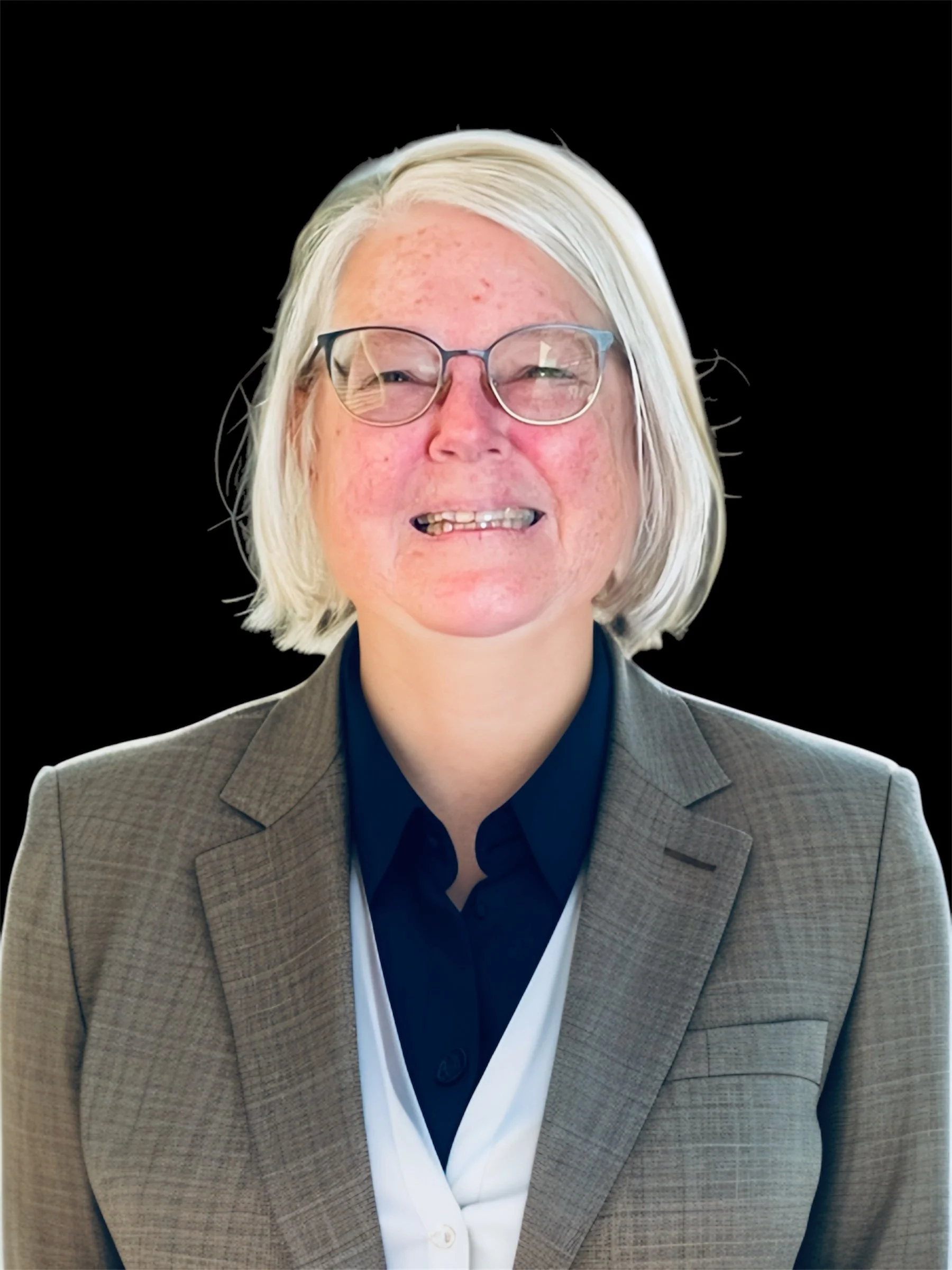
Joyce is a seasoned nonprofit finance and operations leader with more than a decade at the National Alliance for Partnerships in Equity (NAPE). As Finance Director, she managed the full accounting cycle—accounts payable and receivable, invoicing for professional-development engagements, monthly closes and reconciliations—and delivered timely financial reports to the Board of Directors. She administered annual dues and maintained comprehensive records for state and affiliate members, served as the primary liaison to independent and federal auditors, and partnered with the Finance Committees of both NAPE and the NAPE Education Foundation on monthly reviews.
Beyond finance, Joyce led NAPE’s four-day national conference (250+ attendees), overseeing registration and payments, hotel and catering logistics, and the silent auction from procurement to onsite execution. She coordinated the annual Capitol Hill visit for two busloads of participants, assembled and shipped training packages for professional-development clients, and recorded official minutes for staff, committee, and board meetings.
Now, Joyce is bringing these impressive gifts and talents to the STEM Educator Initiative, helping build strong financial systems, elevate member stewardship, and deliver flagship convenings—so the organization can grow strategically and achieve its goals. She is recognized for dependable stewardship, meticulous execution, and mission-driven service that advances equity and impact.

-
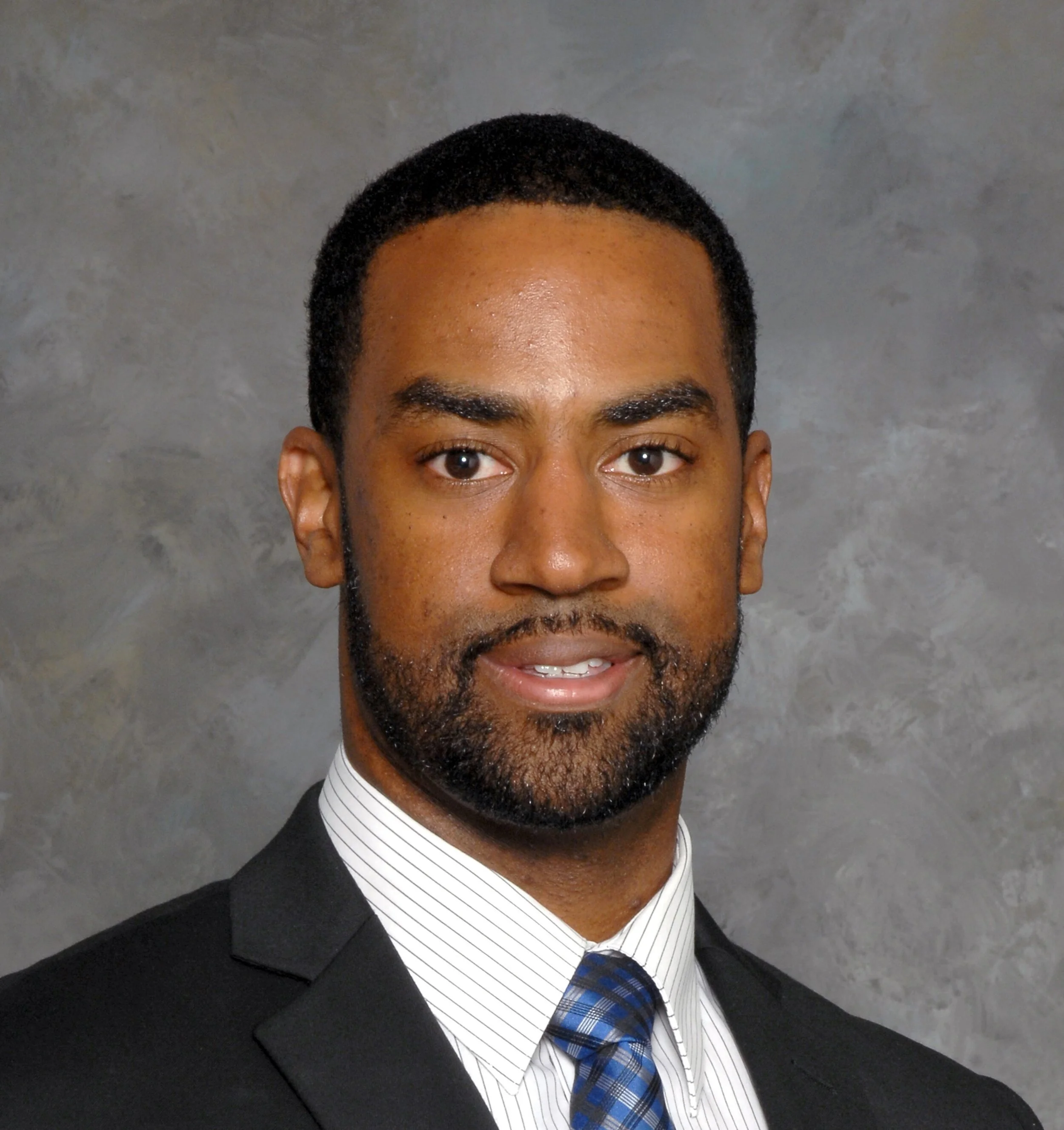
Michele Wolff has nearly 30 years of experience as a leader in higher education, with a focus on program and curricular design, implementation, and sustainability. Her area of expertise is applied learning and community engagement. She currently serves as Director of The Shriver Center at UMBC, an Affiliate Instructor in UMBC's Department of Sociology & Anthropology, and holds a Master’s degree in Applied Sociology. The Shriver Center bridges campus and community through applied learning and engaged scholarship to address critical social challenges. As Center Director, Ms. Wolff oversees the administrative, fiscal, and programmatic functions of a staff of more than 80 and an annual budget of more than $4 million; the maintenance of over 100 partnerships across schools, nonprofit and community-based organizations, and government agencies; and, the coordination of the Center’s Faculty Advisory Board. She also has served as principal investigator and project director on successful grants funded by government, nonprofit, and private agencies, organizations, and foundations, including grants funded by the National Science Foundation, the Corporation for National & Community Service, the Maryland Higher Education Commission, the Marguerite Casey Foundation, and Constellation Energy.
Ms. Wolff oversees the assessment and evaluation components of her organization and serves as lead on an assessment committee of Campus Compact Mid-Atlantic. She also co-leads an assessment project exploring the relationship between applied learning experiences (including service-learning and community engagement) and the development of university students’ affective functional competencies. Ms. Wolff is an active member of the UMBC professional staff community, serving as a steering committee member on several important university-wide initiatives and as past chapter secretary of Phi Beta Kappa, Eta of Maryland. Most recently, she was appointment Project Manager for UMBC’s Carnegie Foundation for the Advancement of Teaching’s Community Engagement Classification self-study process. Ms. Wolff has been at UMBC since 1990.
-
Devin Canaday is a dynamic individual who has managed to excel in multiple facets of his career. For more than a decade, he worked as a professional engineer for a tier-1 defense contractor. This experience seamlessly couples with over 20 years of experience as an educator. During his tenure within defense, Devin designed, helped manufacture, and served as project manager for a range of hardware programs to support the development of world-leading and cutting-edge radar systems. He has been responsible for developing several “Company First” innovations and been the recipient of such awards as the Black Engineer of the Year Award’s Modern Day Technology Leader.
Currently, Devin serves as the Associate Director for Family and Community Engagement with the Richmond City Public Schools. In this capacity, he is focused on overhauling the division’s use of data and metrics to implement effective and impactful programs for students and fostering stronger partnerships with the broader community.
Mr. Canaday has a strong passion for STEM education and takes advantage of every opportunity to give back to the next generation. One of his more recent educational efforts were in support of Johns Hopkins University’s Whiting School of Engineering outreach initiatives. The role at JHU saw Devin working with primary school students and teachers, introducing them to the possibilities of STEM careers. Additionally, he facilitated professional development workshops and trainings for teachers targeting both content mastery and classroom management. His team is now working to expand the program into the Richmond, VA region for the upcoming school year.

-
Dr. Wurth is an engineering instructor, tutor, curriculum developer, and data analyst specializing in educational equity in Science, Technology, Engineering, and Mathematics (STEM) fields. After receiving her Bachelor’s and Ph.D. in Materials Science Engineering at the University of Florida, Dr. Wurth worked as a research scientist and engineer for over two decades in businesses ranging from battery development start-ups to the National Laboratories and NASA’s Manned Space Flight program. Through her eclectic professional experience, she has gained an intimate grasp of the technical fundamentals, soft skills, and personal development habits that aspiring STEM professionals need to succeed. Over the past six years, Dr. Wurth has embraced STEM education, leading Bellingham Technical College’s Clean Energy Engineering Technology program and serving as the project mentor and principal investigator on a National Science Foundation S-STEM grant (2019-2024). The grant provided scholarships and academic support to low-income engineering technology students and engaged them with student-directed, year-long community engineering service projects. During the program, Dr. Wurth guided student teams in applying the iterative engineering design process to identify and meet the needs of their community beneficiaries using their growing engineering technology skills. Dr. Wurth is currently involved in multiple facets of STEM education including educational research; adjunct instruction; course material development for trades, secondary, and post-secondary institutions; and online tutoring for STEM students throughout the United States. Engaging with the educational process at multiple levels allows her to recognize barriers to equitable learning and assess the effectiveness of learning environments in classrooms and online training forums.

-
Jared Shade is a dedicated and visionary educational leader. He currently serves as the Superintendent of Upper Dauphin Area School District. With a passion for student success and a commitment to fostering a positive learning environment, Jared brings his extensive leadership experience and expertise to his alma mater school district.
He holds a Master’s degree from Bloomsburg University and is currently pursuing his Doctorate at the University of Pittsburgh. Throughout his career, Jared has championed innovative teaching methods, character development, and initiatives aimed at enhancing students' overall educational experience.
Known for his collaborative approach, Jared actively engages with educators, parents, and community stakeholders to build strong partnerships that support the district's educational goals. He is dedicated to creating a nurturing and inclusive learning environment where every student has the opportunity to thrive and reach their full potential.
He is committed to staying abreast of the latest educational trends, research, and best practices to ensure that the district remains at the forefront of providing a high-quality education.
With a focus on continuous improvement and a student-centered approach, Jared leads the Upper Dauphin Area School District toward a future of excellence, preparing students for success in a rapidly evolving world.
-
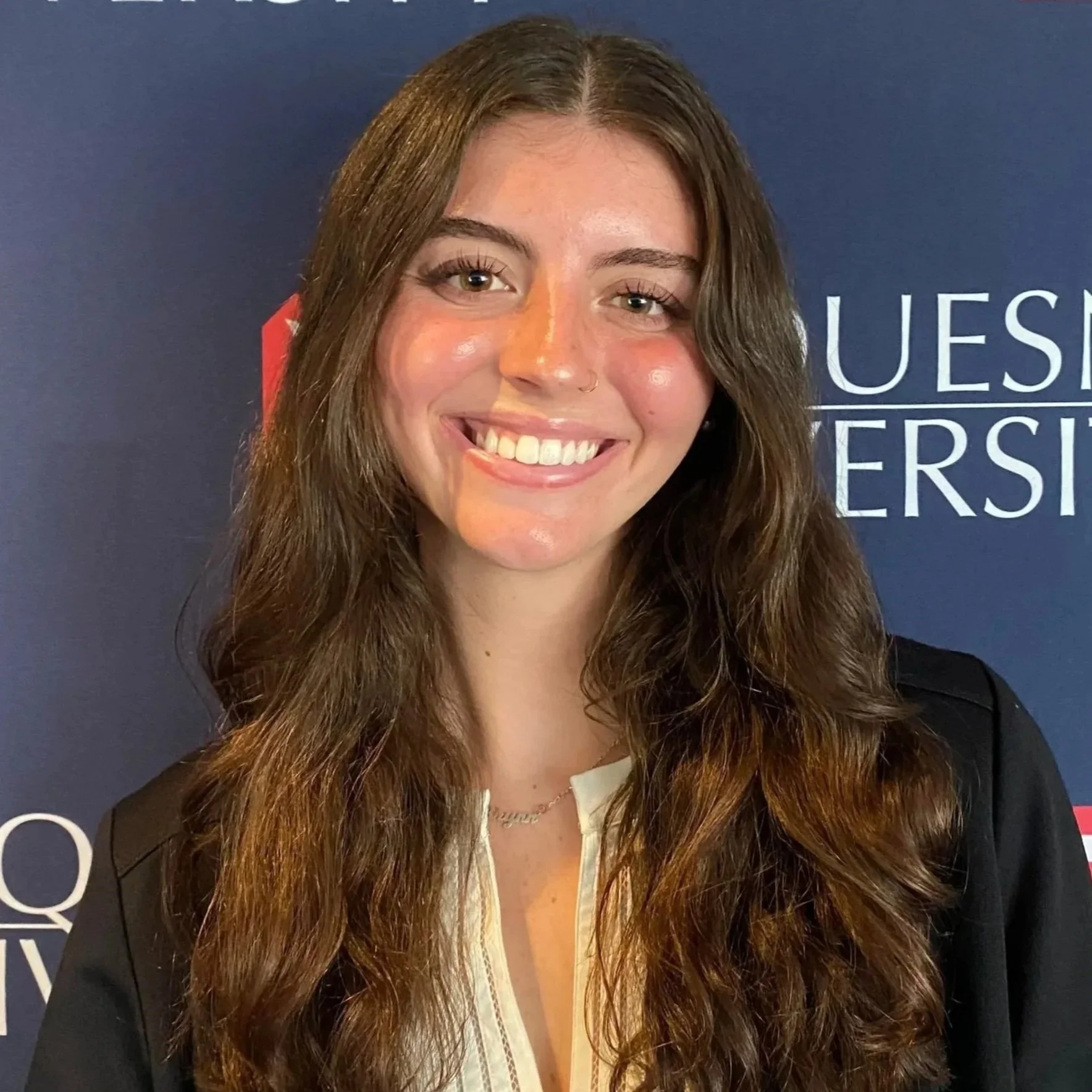
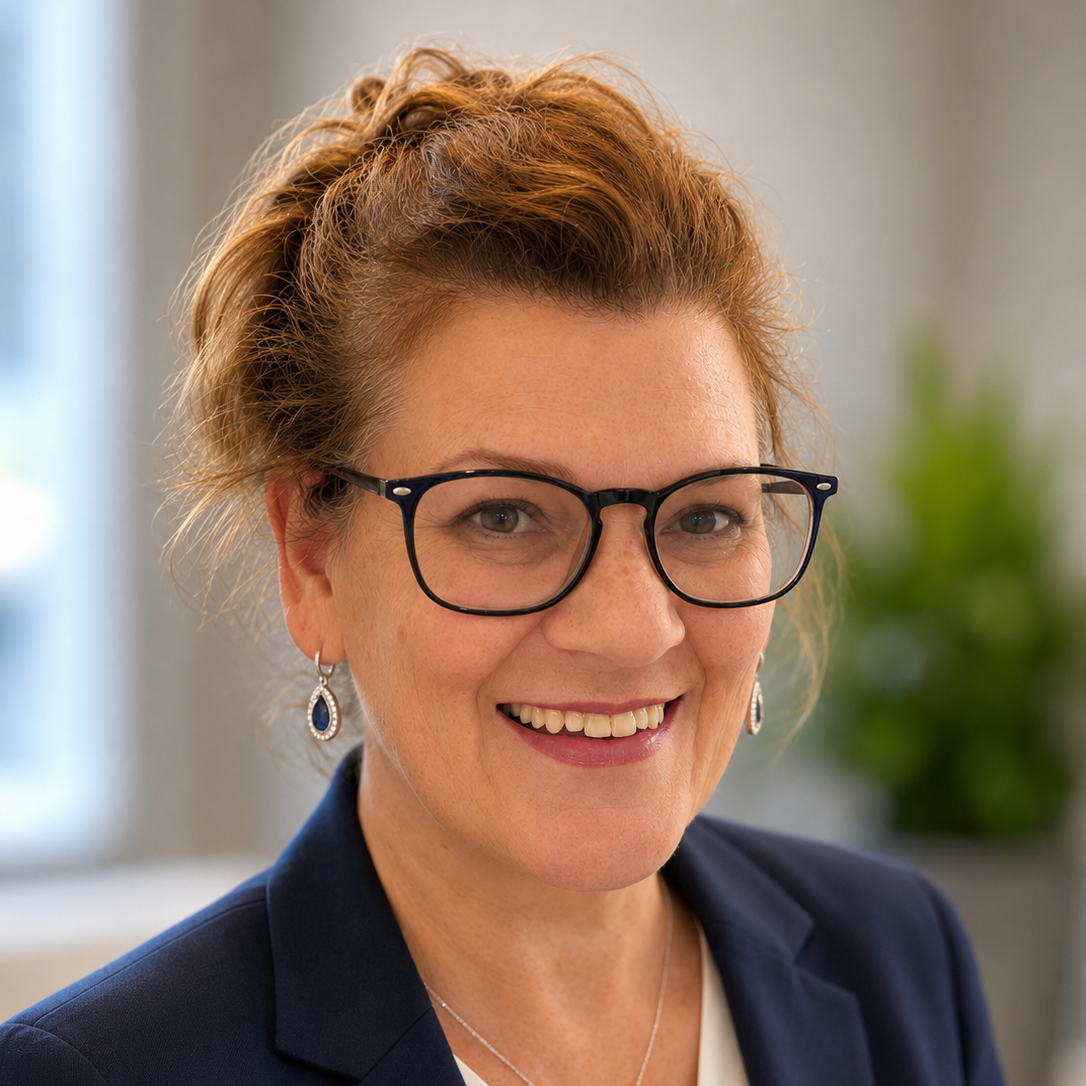
Brynn Herncane supports communications, marketing, social media engagement, and public relations initiatives with a focus on strategic storytelling and community connection.
Brynn is a rising senior at Duquesne University pursuing a Bachelor’s Degree in Public Relations and Advertising with a certificate in Communication Studies. She currently serves as Vice President and Social Media Chair of Duquesne’s PRSSA chapter and previously completed an internship within the university’s Donor Relations office.
Through her diverse experiences in leadership, communications, and relationship-building, Brynn brings a creative and strategic perspective to outreach and engagement efforts. Her work focuses on communicating the value and opportunities connected to today’s STEM and CTE pathways while strengthening connections between organizations, educators, and the communities they serve.
Brynn is passionate about building meaningful relationships and developing communication strategies that increase engagement, highlight impact, and foster authentic community connections.
Our Board

-
Beth Perlman is a technology and business-transformation leader with more than 20 years of experience guiding large-scale initiatives across global organizations. She currently serves as a VP Executive Partner at Forrester, where she advises senior leaders on strategy, innovation, and the evolving role of technology in organizational success.
Her career includes leadership roles at Gartner as well as earlier positions at major Wall Street firms — including JP Morgan, Kidder Peabody, and Lehman Brothers — where she managed complex financial and trading systems.

-
Morrell’s decades of work have focused on understanding and enacting research-based strategies to increase access and educational equity for students traditionally underrepresented in rigorous courses and programs in science, technology, engineering, and mathematics (STEM). She knows that an education in a STEM field, including Career and Technical Education (CTE), leads students to life-enriching, family-supporting, and community-building careers. Morrell has expertise working in and with secondary education, community colleges, research universities, businesses, and nonprofits.
Morrell’s goal is to work collaboratively with educators and stakeholders within schools and colleges to provide the knowledge, skills, abilities, and tools needed to create and sustain equitable learning environments (ELEs) in classrooms. Her work developing, funding, directing, managing, and directly implementing efforts from 2001 – 2024 has shaped her unique understanding of the challenges of practitioners related to the broadening of participation and completion of underrepresented students in STEM. Her leadership in developing the N.I.E.R© Systemic Change Model for Education provides an innovative approach to addressing the missing variable in the traditional education equation: Affective Learning. Morrell’s work has carried the model from educational awareness to effective implementation; from effective practices to effective practitioners. Hundreds of researchers, business leaders, and practitioners have called the N.I.E.R model a “game changer” in addressing the unique needs of every student in every classroom and school.
In partnership with Dr. Taryn Bayles, (University of Pittsburgh, Swanson School of Engineering), Morrell recently completed a design and development grant funded by the National Science Foundation (EEC-BPE 2135080). The grant further designed, developed, assessed, and validated the innovative approach to support teachers’ efforts to encourage all students to embrace learning in engineering and other STEM courses and programs. ELEs measurably improve social and academic outcomes for underrepresented students and all students. Additionally, teachers using the model have reported enjoying teaching again!
Morrell is both a practitioner and researcher with a B.S. from the University of North Carolina-Chapel Hill, an M.S. from the University of Wisconsin-Madison, and an M.A. from Loyola University Maryland.

-
Leroy Daley is a Department Manager for System Security at the Northrop Grumman Corp. focusing on Cybersecurity and Anti-Tamper Engineering. He has worked at Northrop Grumman for more than 12 years where he has a wide range of engineering and leadership assignments including RF Aperture Products, the Reliability Laboratory, Field & Engineering Services, and numerous System Integration and Test roles. His current role leading the System Security department is a dynamic one as the field is rapidly advancing. Mr. Daley applies his broad engineering experiences along with his natural leadership skills to lead his management staff and their teams’ to achieve successful technical and financial goals.
Born and raised in a low income neighborhood in Baltimore, Mr. Daley personally experienced daily challenges to his goal of achieving academic and professional success. The lessons learned from his experiences have lead him to engage with youth who come from backgrounds very similar to his own, expose them to the world of engineering, and help them on their way to achieving their own goals. His involvement includes working with multiple Northrop Grumman sponsored programs. WORTHY (WORThwhile to Help high school Youth) focuses on high potential Baltimore City youth living in challenged environments. Discover Engineering is a program designed to help expose students to the many engineering opportunities that are available. He has also engaged Baltimore City youth on his own initiative sponsoring Lego and robotics clubs and providing mentoring to youth in need of a compassionate and nurturing role model who can truly relate to their environment and challenges.
In his time as a professional engineer, Mr. Daley has made a name for himself, not only as a man of many talents and varied expertise, but also as a man who knows the value of paying it forward.
-
Ms. Stevenson has had the pleasure of working with consulting executives and diversity leaders from the nations largest cities, utilities, and educational institutions on the development of supplier and workforce diversity practices. Her leadership and vision led to the development of PRISMCompliance.com, the world-class contract and diversity management solution. Her dedication has led to clients across the country changing their cultural paradigms and achieving measurable benefits in their supplier diversity, including minority and women-owned businesses and workforce programs.
Those who are subject to regulatory guidelines -- Dodd Frank, Davis Bacon, Section 3, GSA Small Business, and Airport Concessions -- have gained an understandng and ability to streamline compliance management processes, generate their required reporting, and confidently prepare for audits. There's nothing more satisfying than working with passionate, dedicated, and highly qualitfied individuals to make a positive difference for all people.
-
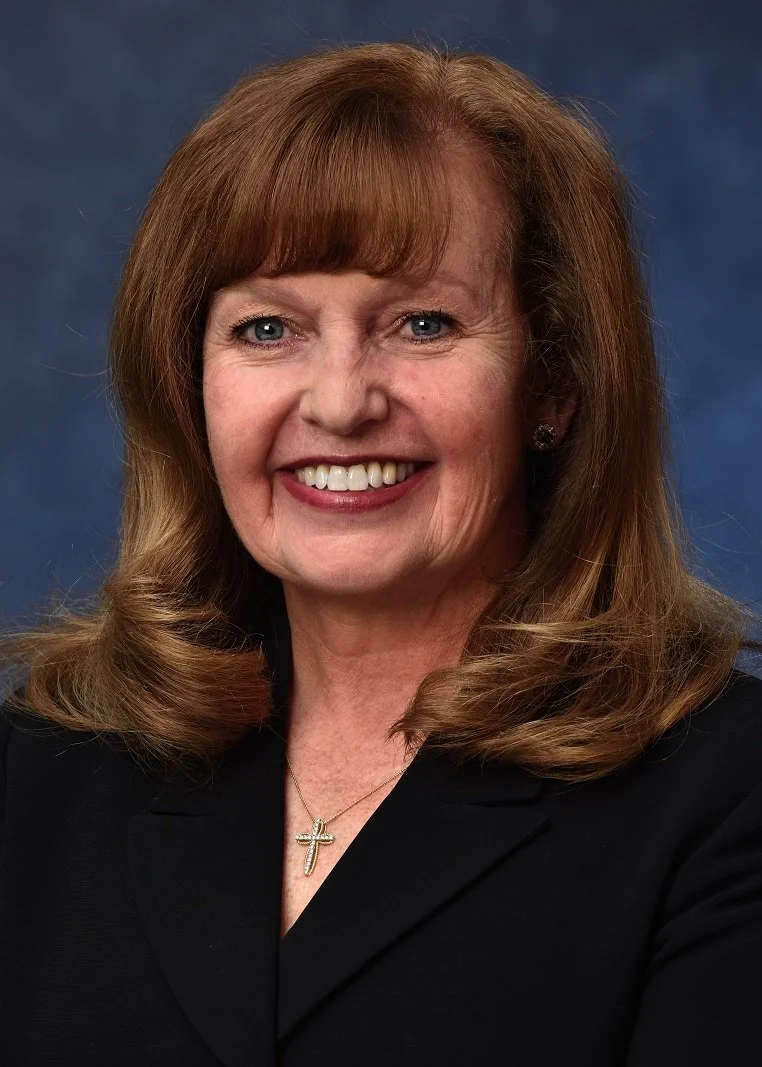
Taryn Melkus Bayles, Ph.D. is a Professor of Chemical and Petroleum Engineering at the University of Pittsburg in the Swanson School of Engineering. She also serves as the Chair of the American Institute of Chemical Engineers Education Division. Dr. Bayles has spent part of her career working in industry with Exxon, Westinghouse and Phillips Petroleum. Her industrial experience has included process engineering, computer modeling and control, process design and testing, and engineering management. She has also spent over 20 years teaching Chemical Engineering at the University of Nevada Reno, University of Pittsburgh, University of Maryland College Park and University of Maryland Baltimore County. In her courses she incorporates her industrial experience by bringing practical examples and interactive learning to help students understand fundamental engineering principles.
Dr. Bayles’ research focuses on Engineering Education and Outreach to increase awareness of and interest in pursuing engineering as a career, as well as to understand what factors help students be successful once they have chosen engineering as a major. She is the co-author of the INSPIRES (INcreasing Student Participation, Interest and Recruitment in Engineering & Science) curriculum, which introduce high school students to engineering design through hands-on experiences and inquiry-based learning with real world engineering design challenges. This curriculum targets the International Technology and Engineering Education Association Standards as well as National Next Generation Science Standards and aligns with the Framework for K-12 Science Education.
-
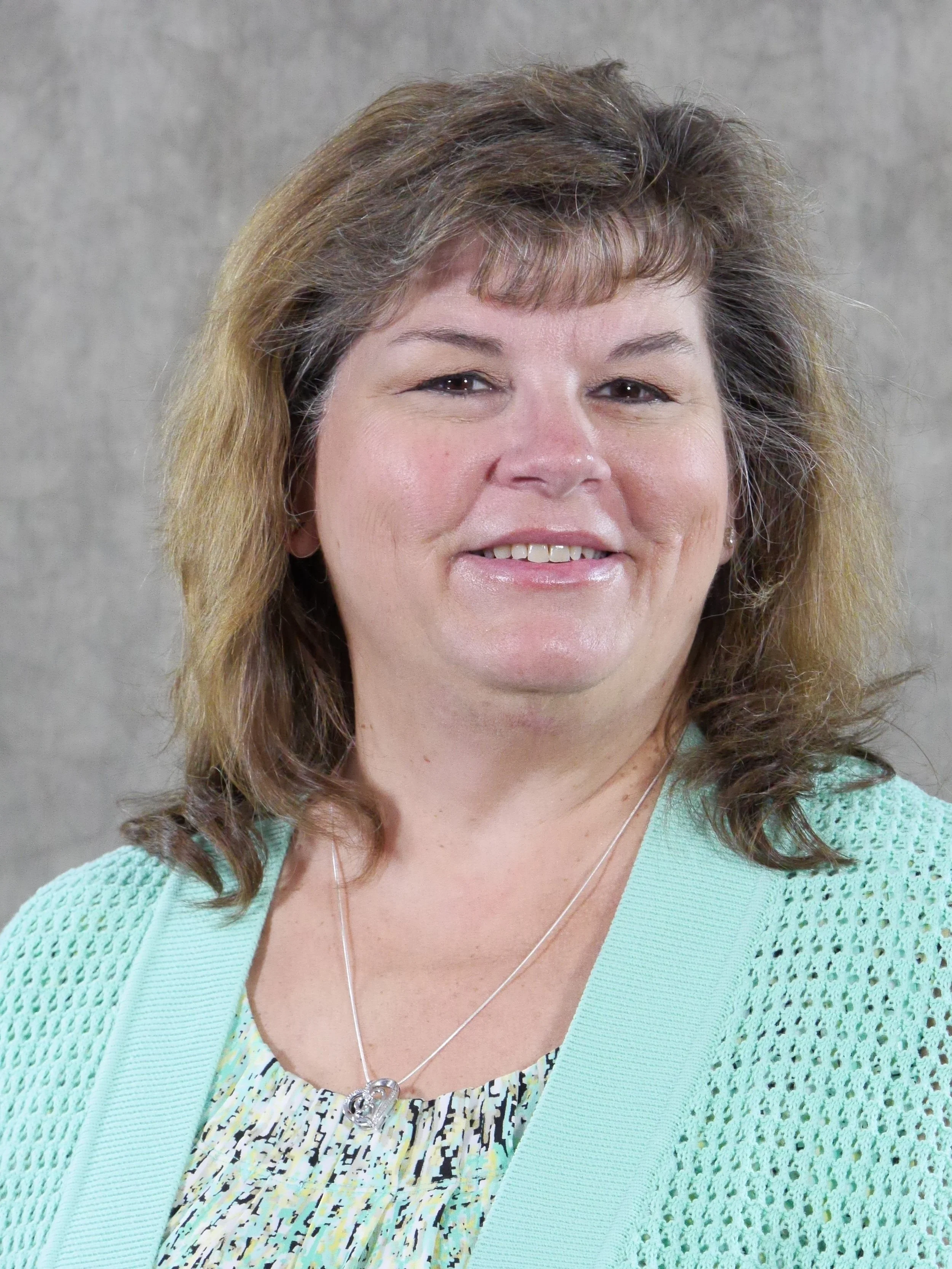
Rebecca (Becky) A. Parker currently serves as the Program Lead for Learning, School Leadership and Professional Development at the Center of Education and Training for Employment at The Ohio State University. She serves as Co-Principal Investigator and Senior Project Manager for a multi-year federally funded National Professional Development Grant, funded by the US Office of Innovation and Improvement, which focuses on supporting students and families whose first language is not English.
Ms. Parker has been with The Ohio State University for 23 years serving in multiple roles which focus on teacher education, professional development for teachers and administrators, curriculum development, educator leadership development and using technology tools to enhance and support teachers and school leaders growth and development. Ms. Parker has contributed ideas and writing expertise to many grant opportunities which have resulted in over $22 million dollars being awarded to the institution.
Ms. Parker has worked 23 years in Career and Technical Education (CTE) at the local, state, and national levels. She served as Assistant Director of the Professional Development Academy for the National Dissemination Center for CTE and played a key role in the National Leadership Institute. She has also worked with new CTE teachers in areas of assessment, curriculum and classroom management. Prior to coming to The Ohio State University, Ms. Parker taught secondary early childhood education at a Career Center, directed the on-site preschool, and mentored and coached new CTE teachers in Ohio’s alternative licensure program.
Ms. Parker received a Bachelor's degree in Vocational Family & Consumer Sciences Education and a Master’s degree in Vocational Technical Studies, both from The Ohio State University.

-
Born and raised in Baltimore County, Doug is a graduate of the University of Richmond and the University of Maryland School of Law. He is a licensed attorney in Maryland and Virginia, and a Real Estate Broker licensed in Maryland, Pennsylvania, and DC. Doug graduated law school with a Certificate in Environmental Law, and his subsequent legal practice focusing on issues of bankruptcy and housing. Doug’s professional work now focuses primarily on real estate, where he supervises and trains 250 real estate agents as the Broker for Keller Williams Legacy. Through this role, and as a member of various state committees, he is a leader in raising the level of professionalism in the real estate industry and a passionate voice for supporting home ownership and fair housing. Most importantly: a husband and father - with two extremely rambunctious boys: ages 3 and 6.
Our Partners and Clients in this Work